

OpenAI Equity Planning: Tenders, RSUs and Taxes
 For OpenAI employees and their families
OpenAI is still private. The November 2026 round priced it at $1.25 trillion, the IPO is now expected in 2027, and the only way to turn your equity into cash so far has been a company-run tender. Your old PPUs became real shares in the 2025 recapitalization, and newer grants are RSUs. If you've been there more than two years, you're in the minority: OpenAI has roughly tripled since late 2024, and the typical employee has been there less than a year. Early or new, Member of Technical Staff or solutions engineer, the decisions are the same: what to sell, when, and what you'll owe.
Your equity might be the biggest number your family ever sees. You want a plan before the next window opens, not a scramble after.
The short answer: treat every tender as a rehearsal for the IPO. Know exactly what you hold, pick your number before the window opens, and set the tax money aside the day the wire lands. Then decide what this money is for before you decide what to sell.
Sources: Valuation: 24/7 Wall St., Nov 2026 · Tender: The Decoder citing Bloomberg, Aug 2026 · Tenure: Business Insider, 2026


Where Does OpenAI Equity Stand Right Now?
OpenAI equity has changed more in two years than most companies' equity changes in ten. These are the facts that shape every decision below.
| Structure | OpenAI Group PBC since the October 28, 2025 recapitalization, still controlled by the nonprofit OpenAI Foundation |
| Old grants | PPUs converted into shares in the recapitalization, with the old profit cap removed |
| New grants | RSUs, reported as double-trigger: they vest over time but don't pay out until a liquidity event |
| Vesting cliff | Gone for new hires since December 2025, after being cut from 12 months to 6 earlier that year |
| Latest tender | About $7 billion, closed August 2026, with OpenAI itself as the buyer at an $852 billion valuation |
| Tender before that | October 2025: $6.6 billion, more than 600 current and former employees, up to $30 million each |
| Who holds what | About 12,000 employees, but fewer than a third were there in late 2024. They hold most of the converted PPU shares, granted at a fraction of today's price. Most newer hires hold double-trigger RSUs |
| IPO | Confidential filing in June 2026, then 2026 was ruled out. The target is now 2027 |
As of November 2026, based on public reporting and LinkedIn headcount data. Your grant documents and tender materials control.
When Can OpenAI Employees Actually Sell?
Until OpenAI lists, you don't decide when you can sell. The company does. Here's the sequence most OpenAI families are planning around.
Illustrative timeline. Actual lock-up and release terms are set when the company files its public S-1.
Tender windows
Company-run, usually once a year or so. Price, eligibility and per-person caps are set fresh each time, and the window to decide is short.
The IPO
Expected in 2027. Double-trigger RSUs settle and become taxable income all at once, and a lock-up will likely keep you from selling right away.
After the lock-up
Regular trading windows, blackout periods and, for a lot of people, a 10b5-1 plan so sales happen on a schedule instead of on emotion.
Every step has its own tax bill and its own decision. The families who do best decide the plan once and then just execute it.
Why Won't Withholding Cover My OpenAI Taxes?
When your double-trigger RSUs settle at the IPO, every share is ordinary income at that day's price. Federal supplemental withholding is 22% up to $1 million and 37% above it, so the 22% default leaves you short. In Massachusetts, the 4% surtax on income over just over $1 million isn't withheld at all.
A tender sale can be even sneakier. Depending on what you sell and how it's taxed, there may be little or nothing withheld on the sale itself. Either way, the fix is the same: set the cash aside the day the money lands, and have your CPA run the estimate off your actual statements.
Gold = the gap
Roughly what a Massachusetts family could owe beyond withholding on $3 million of RSUs settling at once, with a spouse earning $300,000.
What Should OpenAI Employees Plan For Now?
You won't get much notice when the next tender or the IPO shows up. These are the decisions worth making ahead of time.
Been there more than two years?
Your converted PPU shares were granted when OpenAI was worth a fraction of today's $1.25 trillion. That built-in gain is the biggest number on your balance sheet, and the stake most worth a real plan before the next window.
Pick your number before the window opens
Tender windows are short and caps change. Decide how much you'd sell and why while you're calm, not the week the email arrives.
Left OpenAI? You may still be in
Former employees have been able to sell in recent tenders, though current employees have gotten priority when demand ran high. Read each offer's rules closely.
Joined in the last two years?
That's most of OpenAI now. No cliff means you vest from day one, but double-trigger RSUs don't turn into cash, or taxable income, until the IPO. Vested isn't the same as spendable, so plan for one very big income year.
One stock, most of your net worth
At a $1.25 trillion valuation, a few years of grants can outweigh the house, the 401(k) and everything else combined. We set a concentration ceiling you can live with.
Moved here from California?
California can tax the part of your equity earned while you worked there, even after you move to Massachusetts. Your CPA should map it before the next sale.
Should I Sell in the Tender or Wait for the IPO?
Usually some of each. A tender is guaranteed cash at a known price. The IPO might be higher, or not, and it comes with a lock-up. Selling enough in the tender to fund the things you can't afford to lose, like the house and college, takes the pressure off everything else.
How Much OpenAI Stock Should My Family Keep?
Enough that a great outcome changes your life, and a bad one doesn't wreck it. We start with what your family needs to be secure no matter what OpenAI does, then decide how much upside you keep on top of that.
Is a Tender Year a Good Year to Give?
Often, yes. A big income year is when a charitable deduction is worth the most. A donor-advised fund lets you take the deduction now and decide where the money goes later.
What Happens to My Equity If I Leave?
Vested shares are generally yours, but how and when you can sell depends on each tender's rules and the IPO. Read your documents before you resign, not after. If you want a second set of eyes, here's how we approach equity planning.
What Does This Look Like for a Real Family?
Meet Dan, 41, a Member of Technical Staff who joined OpenAI in San Francisco in 2021, then moved home to Needham with his wife, Katie, and their two kids.
Dan's early PPUs became real shares in the 2025 recapitalization. At the $852 billion tender price they're worth about $12 million. Add newer RSUs that won't pay out until the IPO, and almost all of the family's net worth sits in one private company.
Katie had never heard the word PPU until the tender email showed up. The window to decide was short, the rules were new, and neither of them knew how much they could sell or what they'd owe.
The question wasn't whether to sell. It was how much, what it was for, and how to keep the IRS and California from being a surprise.
Before Dan was worth $12 million on paper and couldn't tell Katie what they could actually spend. They'd run it all themselves with a brokerage app and a spreadsheet, which worked fine until the vest got big. Then it got complicated fast.
- Rolled Katie's old 401(k)s and a forgotten IRA into one professionally managed portfolio at Concierge Wealth Management, so the money outside OpenAI is diversified, tax efficient and built for their timeline
- Mapped every grant: converted PPU shares, newer RSUs, vest dates and what was actually sellable
- Picked his tender number before the window opened, based on the plan, not the headlines
- Set aside the tax the day the wire hit, and had their CPA sort out what California could still claim on equity he earned in San Francisco
- Built an IPO playbook: the RSU tax gap, lock-up timing and what sells first
- Worked with their estate attorney on updated wills and beneficiaries before the next jump in value
- Matched every beneficiary and title, including the new brokerage account the tender paid into
Now The house is paid off, both 529s are funded, and Katie knows exactly where everything is. When OpenAI goes public, the plan for what sells first is already written.
And it doesn't stop there. Before every tender window and every big vest, we update the plan, the tax set-aside and the concentration ceiling.
Composite case for illustration. Numbers are simplified and don't include every tax that could apply.
Sound familiar?The equity is the headline. The old 401(k), the beneficiary nobody updated and the tax bill nobody set aside are the details. One conversation is usually enough to find them.15 or 30 minutes, phone or Zoom. No prep needed.
Build my equity planWhat Does Your Financial Concierge® Actually Do?
The estate tax and the stock get the headlines. A lot of the value is in the stuff nobody else is watching.
Lost accounts, tracked down
Old 401(k)s, an IRA with an advisor who stopped calling, a brokerage account still mailing statements to your old address. We've tracked down more abandoned accounts than we can count.
Scattered accounts, consolidated
We bring it together into one plan you can actually see, so nothing slips through the cracks again.
Professionally managed
Asset allocation matched to your risk and timeline, the right investments in the right accounts for tax efficiency, and rebalancing as life changes.
Beneficiaries that match your life
Ex-spouses, parents and missing contingents show up on old accounts all the time. We check every account and policy and fix them.
Built for what's next
Retirement, college, a job change or a sale. We plan ahead, then review it every year as life moves.
Life's big purchases
Buying a home? We help you plan it and connect you with great agents and lenders. We've even helped clients negotiate a car purchase. If it touches your money, it's fair game.
What Do Most Financial Plans Miss?
The big decisions get the attention. The money is often in the details nobody's watching. These are the catches we look for with every family.
Every retirement plan you've ever had
401(k)s, 403(b)s, SEPs, SIMPLEs, cash balance plans and old employer plans. Business owners and the self-employed often have three or four, each with its own rules.
529s in more than one state
Moved around? Plenty of families have 529s in two or three states. We line them up, keep the state deduction working and simplify where it makes sense.
Unused college money, turned into a Roth
A 529 that's been open 15 years can roll up to $35,000 over time into your child's Roth IRA. Rules and yearly limits apply, and we check them before you move a dollar.
Roth conversions at the right time
Between jobs, a sabbatical or the years after you retire and before Social Security are often a smart time to move money into a Roth.
NUA for stock in your 401(k)
Highly appreciated company stock inside a 401(k) may qualify for net unrealized appreciation, so the growth is taxed as long-term capital gains instead of ordinary income.
The 83(b) election
Got restricted stock at a startup? You have 30 days to file an 83(b), and there's no going back if you miss it. Done right, it can lower the tax bill if the company grows.
We run the numbers and coordinate every move with your CPA before anything happens.
Your Financial Concierge®
Your CPA stays your CPA. Your attorney stays your attorney. We bring their expertise together with our own to manage your complete financial picture.
Don't have a CPA or estate attorney you love? We'll introduce you to great independent ones who fit your family.
Independent
Independent
Your choice
In charge
One firm. One coordinated financial plan.
OpenAI Equity FAQ
Is OpenAI stock publicly traded?
No. OpenAI is private. It filed confidentially for an IPO in June 2026, then pushed the listing to 2027. Until then, company-run tender offers are the main way to sell.
What happened to my OpenAI PPUs?
In the October 2025 recapitalization into OpenAI Group PBC, PPUs were converted into shares and the old profit cap went away. Check your equity account and conversion documents for your exact share count and dates.
Are new OpenAI grants RSUs?
Yes. Newer grants have been RSUs, reported as double-trigger, meaning they vest over time but don't settle into shares, or become taxable, until a liquidity event like the IPO.
Does OpenAI still have a vesting cliff?
Not for new hires. OpenAI cut its cliff from 12 months to 6 in 2025, then dropped it entirely that December, so equity starts vesting right away.
How do OpenAI tender offers work?
The company sets a price, who's eligible and how much each person can sell, then opens a short window to decide. In August 2026, OpenAI bought back about $7 billion of shares itself at an $852 billion valuation. In October 2025, the cap was $30 million per person.
Can former OpenAI employees sell in a tender?
Generally, yes. Recent tenders have included former employees, though current employees have gotten priority when a tender was oversubscribed. The rules are set fresh each time, so read the offer documents closely.
How is a tender sale taxed?
It depends on what you're selling and how long you've held it. Some sales are ordinary income and some are capital gains, and withholding may not match what you owe. Have your CPA confirm before the window closes, not after.
Will my RSUs be taxed at the IPO?
Yes. When double-trigger RSUs settle, the value is ordinary income that day. Federal withholding is 22% up to $1 million and 37% above it, and in Massachusetts the 4% surtax isn't withheld, so most families need to set more aside.
I moved from California. Can California still tax my OpenAI equity?
It can. California generally taxes the share of equity compensation earned while you worked there, even after you move. Your CPA can allocate it based on where you worked during each vesting period.
Does QSBS apply to my OpenAI shares?
Unlikely. QSBS requires stock in a C corporation that was under the size limit when the shares were issued. OpenAI's equity was PPUs in an LLC for years, and by the time it was shares, the company was far past that limit. Confirm with your CPA.
I've been at OpenAI more than two years. What's different for me?
Usually a lot more at stake. Longer-tenured people tend to hold converted PPU shares granted at much lower valuations, plus newer RSUs on top. That means a bigger gain, more of your net worth in one stock, and more to decide in every tender. Map what you hold and what each piece would owe before the next window.
Are there many OpenAI employees around Boston?
More than you'd think. Most of OpenAI is in San Francisco, but a growing group works around Boston, a lot of it on the go-to-market side: solutions engineers, Applied AI, and deal and industry teams. Julian "JB" Morris works with tech families all over Greater Boston, from Needham to Newton and beyond.
Do you work with OpenAI employees outside Massachusetts?
Yes. We're virtual first and work with families across the country. If you'd like to meet in person, we meet by appointment at Workbar, 117 Kendrick Street in Needham.
I'm an executive at OpenAI. What's different for me?
More at stake and more rules. In a tender, executives can face different caps and rules than other employees, and an IPO lock-up may be stricter for leadership. Executives usually hold a bigger, more concentrated position, and once the company is public, they trade only in open windows and often need a 10b5-1 plan to sell on a schedule. At that size, the estate plan matters too, since both the Massachusetts and federal estate tax can come into play. We build the sell plan, the tax set-aside and the estate coordination together, with your CPA and estate attorney.
Your Equity Should Work for Your Family
A liquidity event this big touches everything: taxes, investments, insurance, your estate plan. If you're sorting through the next tender or getting ready for the IPO, we'd love to hear what you're planning for.
Concierge Wealth Management isn't affiliated with or endorsed by OpenAI. This page is general education, not tax or legal advice for your situation.
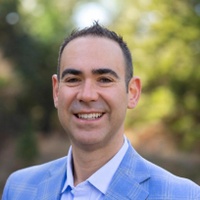
Julian B. Morris, CFP®, ChFC®, CLU®, RICP®, TPCP®
JB is the founder of Concierge Wealth Management and has been advising clients since 2004. He works with high earners and their families across Greater Boston on equity compensation, taxes, investments, insurance and estate planning, alongside each family's own CPA and estate attorney.